I’m a designer with a passion for making complex information both beautiful and accessible.
My work spans UX, print publications, and scalable systems, and is rooted in curiosity, clarity, and community. Below are project examples that demonstrate the creativity, flexibility, and care I can bring to the role of Visual Communications and Information Systems Specialist on your team.
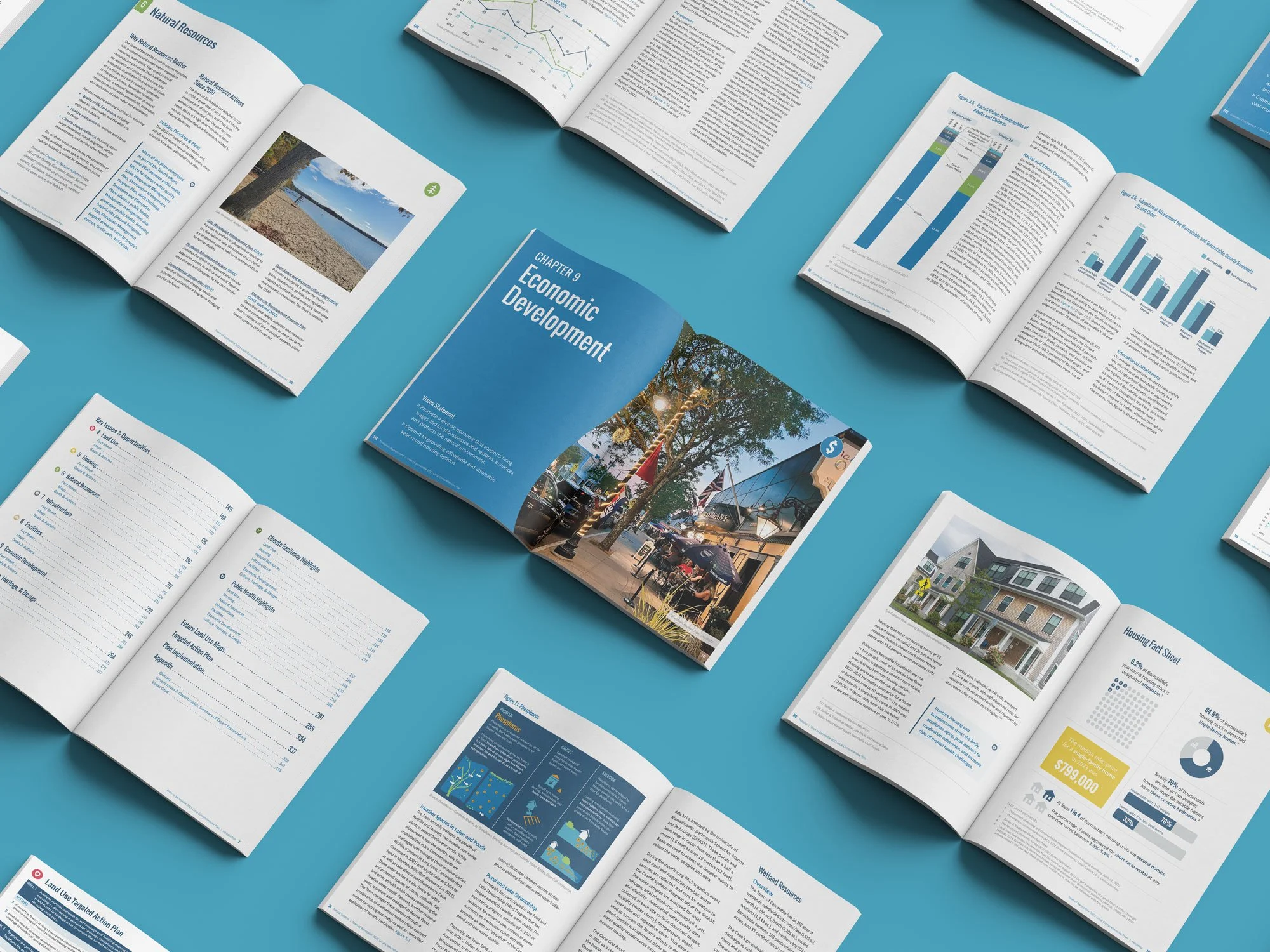

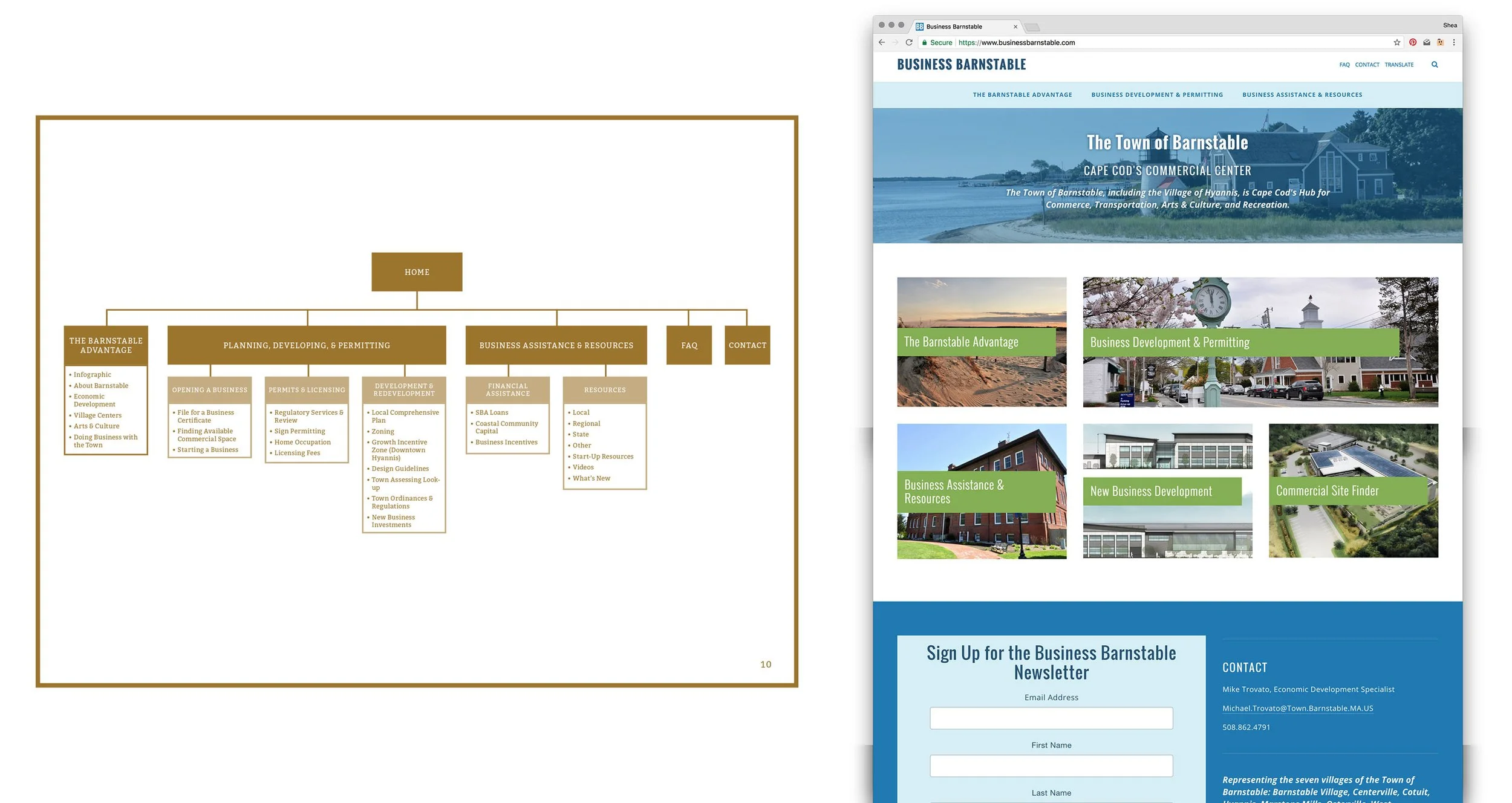

branding • print design • web designTown of Barnstable: Brand Ecosystem in Action
Since 2014, I’ve partnered with the Town of Barnstable’s Planning & Development Department to develop and evolve a brand system that positions the department as accessible, forward-thinking, community-minded, and distinct from the broader town government. I created a visual identity that could be easily implemented across internal teams, even within outdated government software.
This work has spanned websites, digital and printed communications, and public-facing resources like a Local Comprehensive Plan, water protection guides, and business development tools.
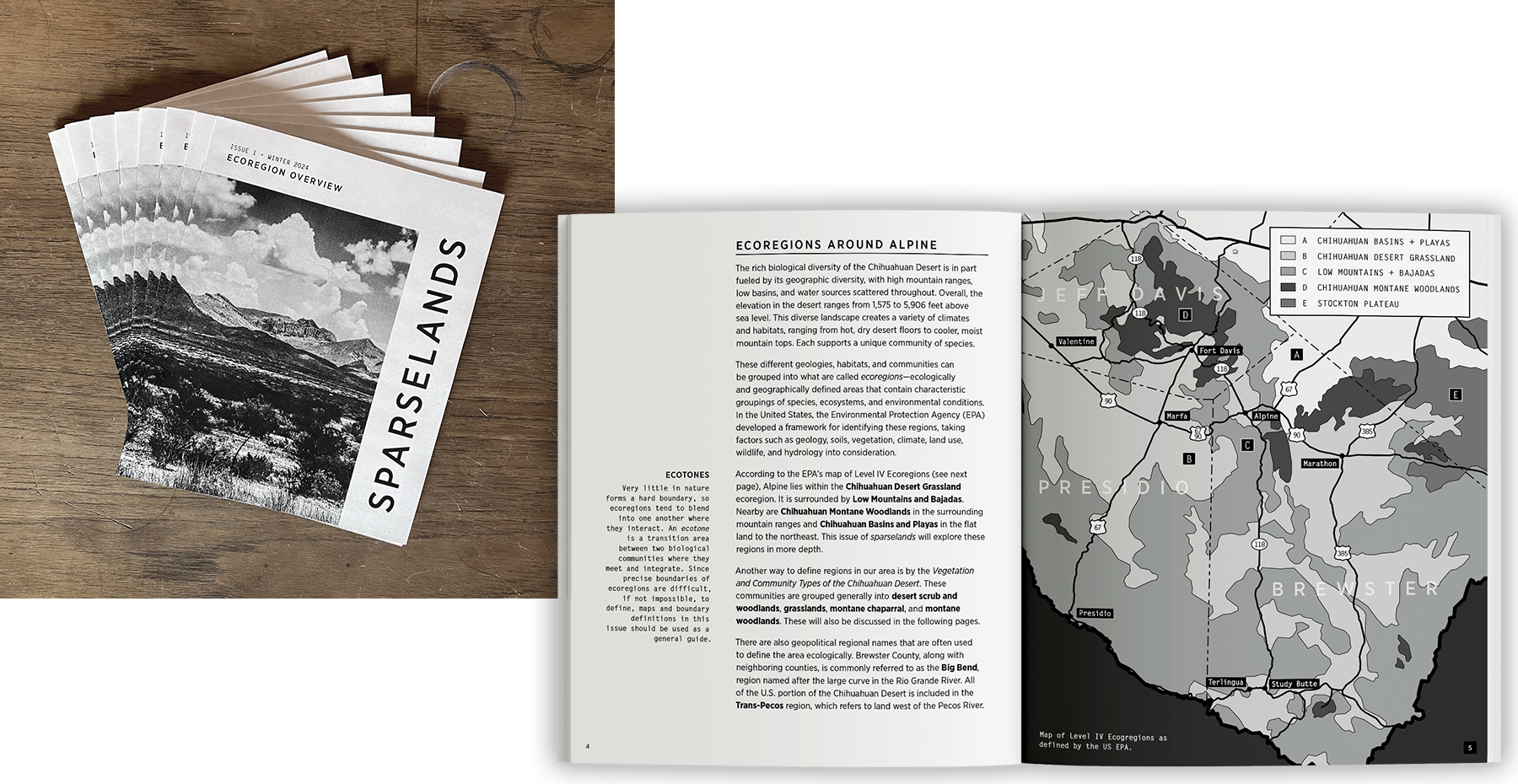
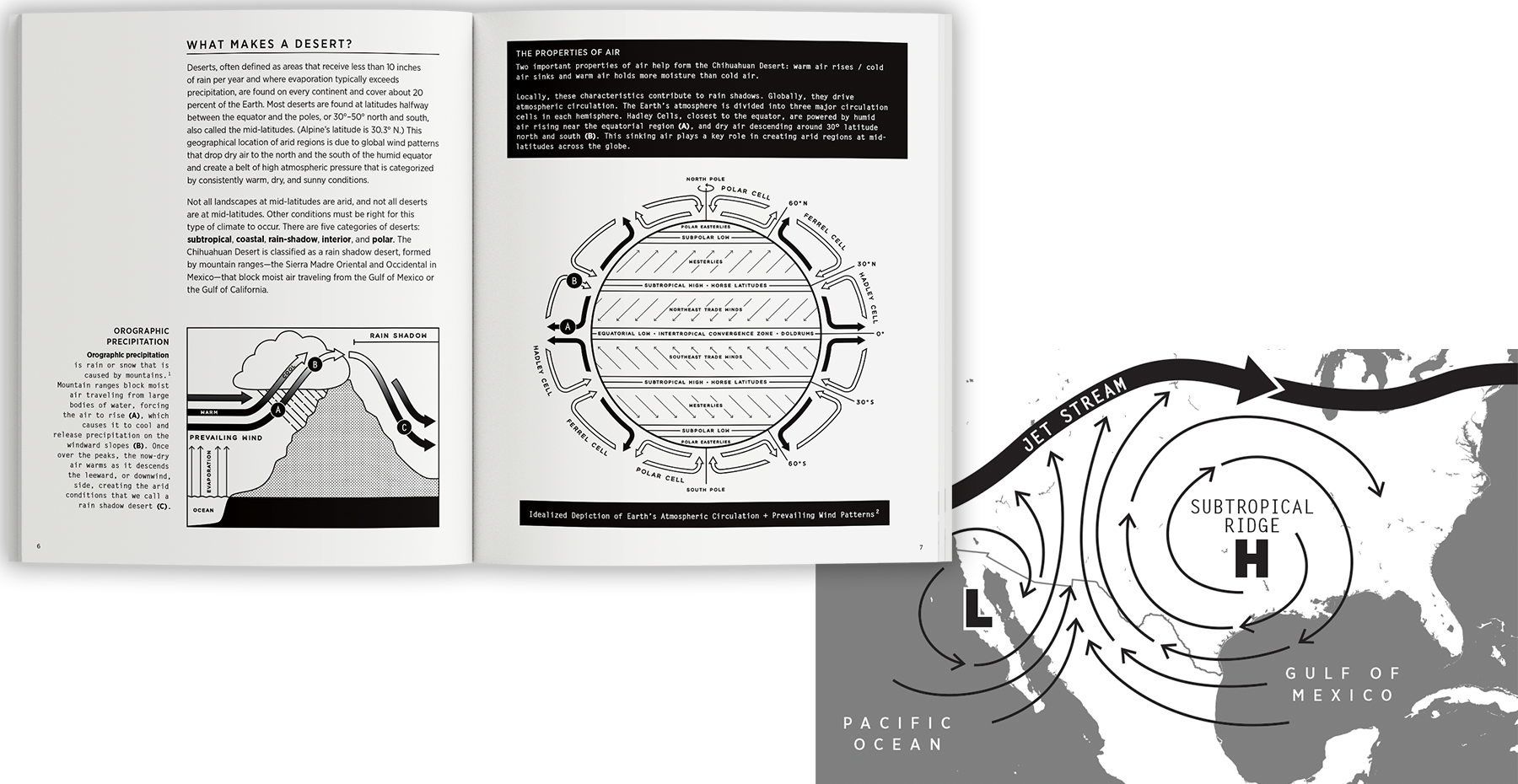
print publication • research + education • interpretive illustrationsparselands: Design for Ecological Understanding
sparselands is a self-initiated effort to use design as a tool for making complex ecological ideas more accessible and engaging. I led all aspects of the project—including research, expert interviews, writing, layout, illustration, production, and distribution—to share place-based knowledge with my local community in West Texas. The work blends interpretive graphics with accessible narrative, aiming to make abstract systems more tangible and meaningful.
DESIGN SYSTEMS • ILLUSTRATION • STORYBOARDINGDell: Scalable Systems for Visual Communication
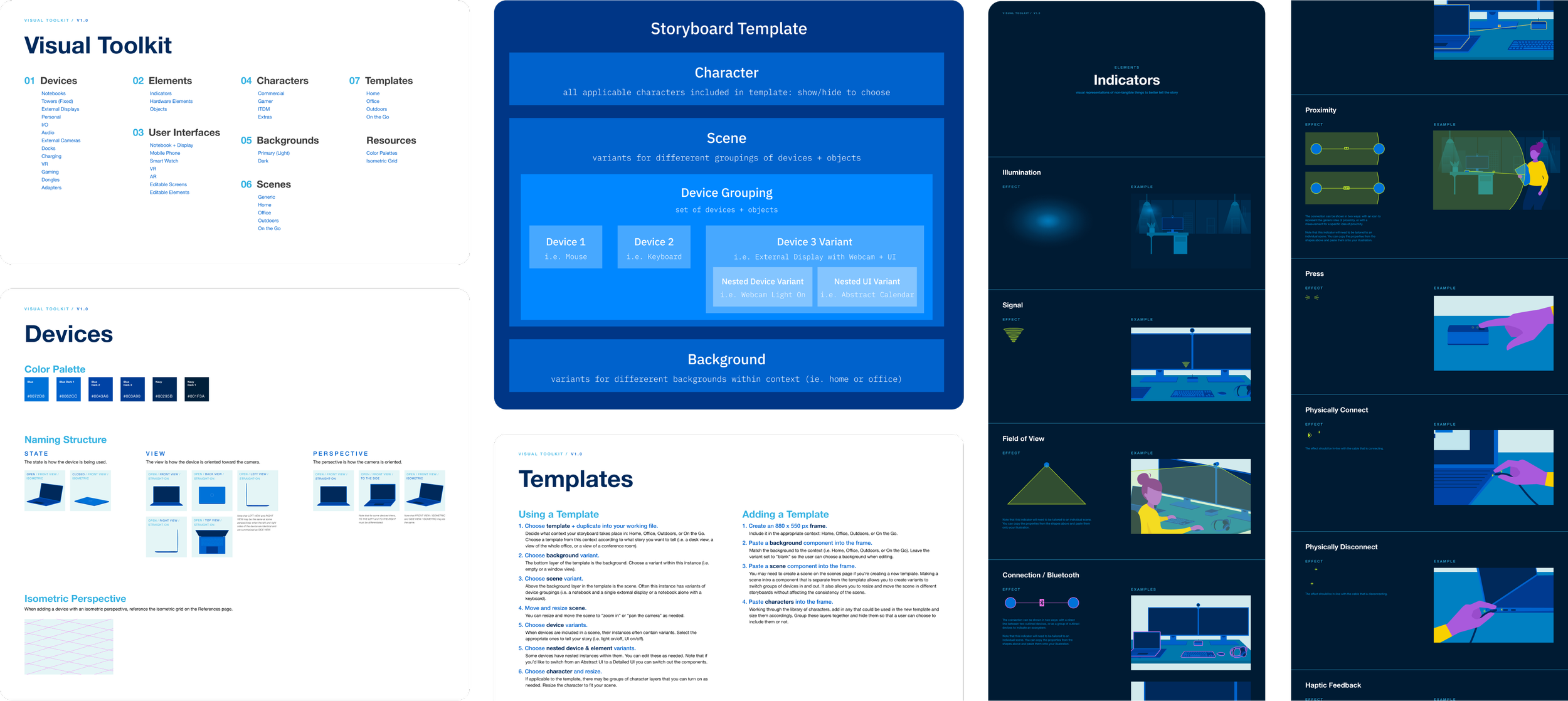
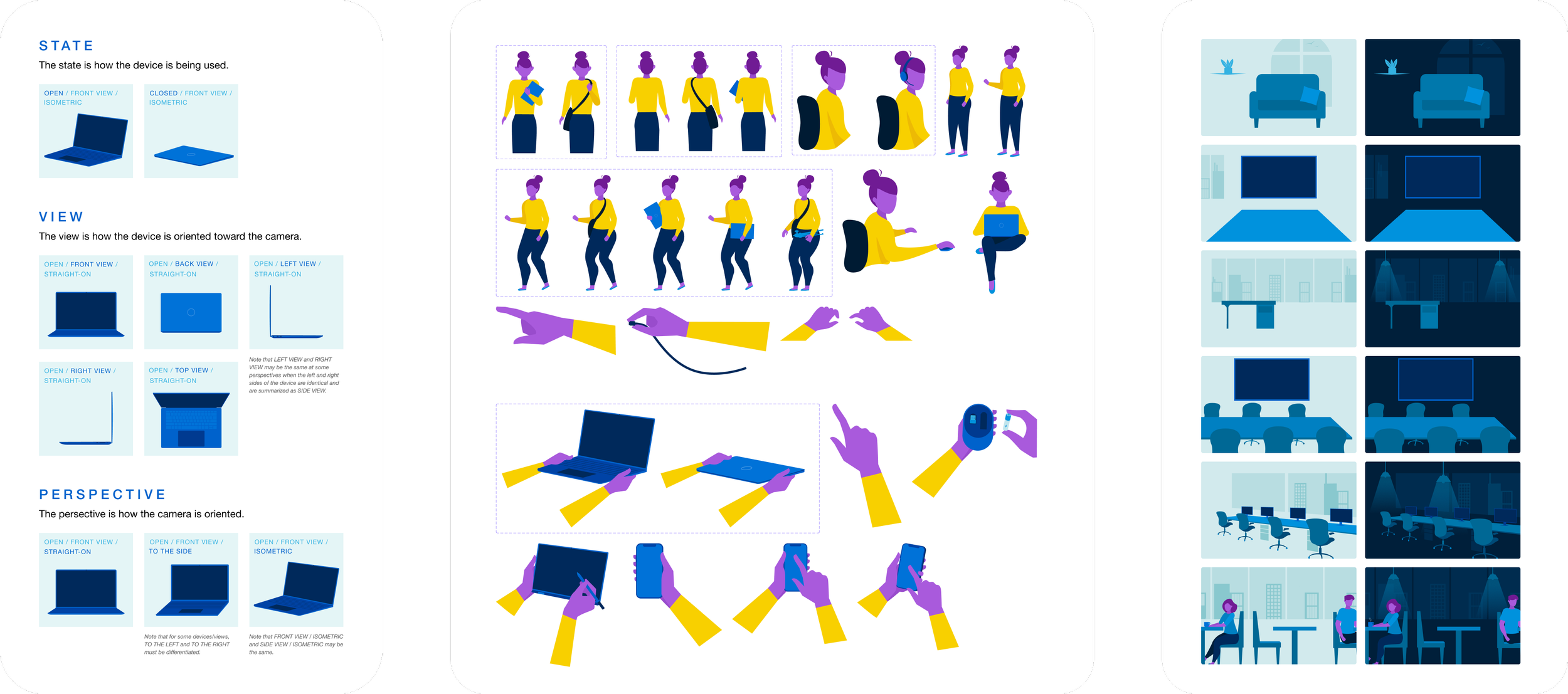
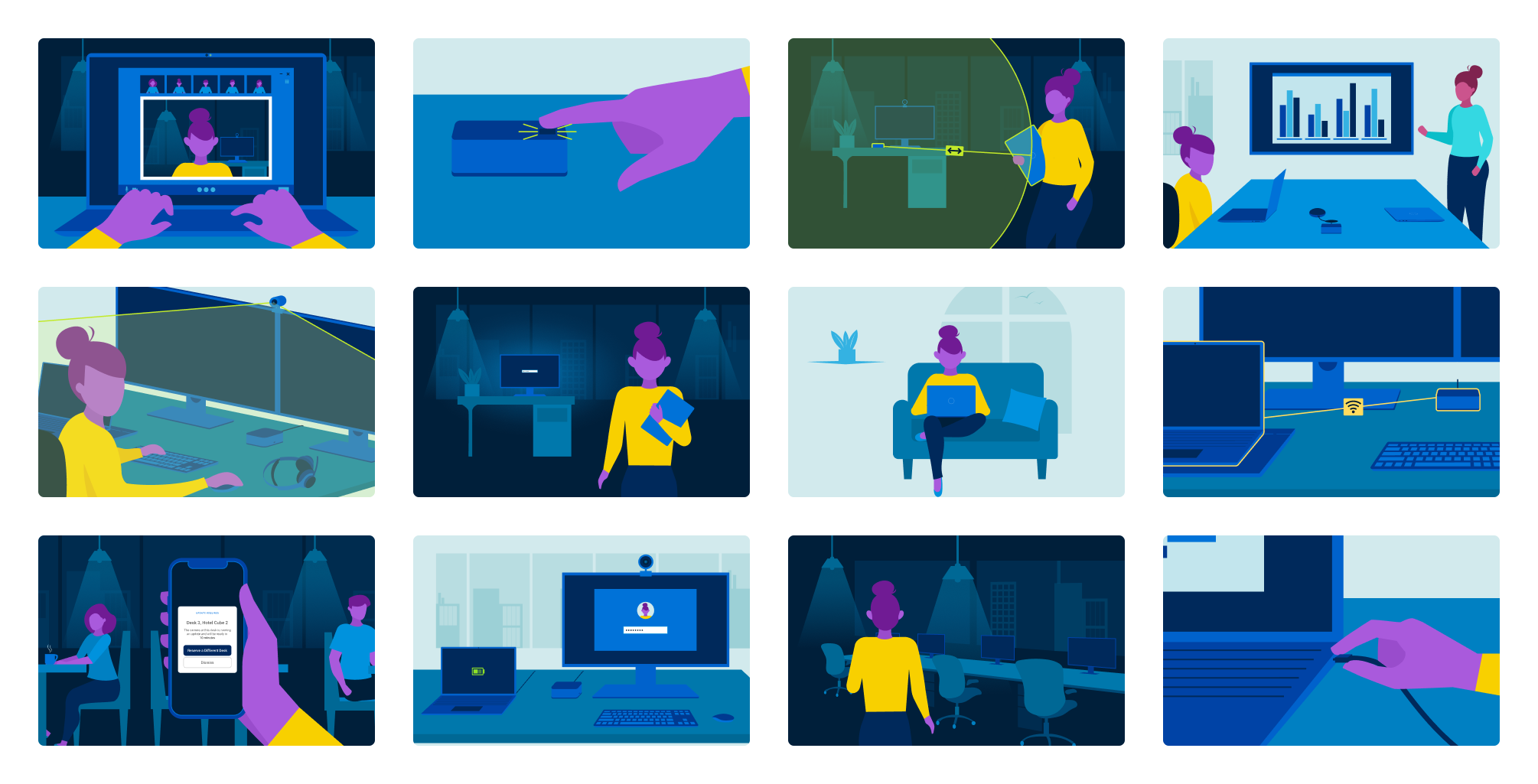
As part of a multi-disciplinary team developing a UX Interoperability Toolkit, I focused on creating the Visual Toolkit—a system of reusable illustration components and templates—in Figma to support Dell teams in visualizing complex, cross-product experiences.
I designed and structured the library for consistency, ease of use, and scalability, using nested components and variants to enable flexible scene creation without compromising visual standards. The toolkit gave non-visual stakeholders a concrete way to communicate experience concepts, helping bridge gaps between strategy, design, and development.